
Products Marketed
All-season crops for year-round opportunities and marketing success.

Wheat
Wheat is the major winter crop grown in Australia with sowing starting in autumn and harvesting, depending on seasonal conditions, occurring in spring and summer. The main producing states are Western Australia, New South Wales, South Australia, Victoria and Queensland. The majority of Australian wheat is sold overseas with Western Australia the largest exporting state. The major export markets are in the Asian and Middle East regions and include Indonesia, Japan, South Korea, Malaysia, Vietnam and Sudan. Wheat grown for domestic consumption and feedstock is predominately produced on the east coast.

Barley
Australia produces high quality 2-row barley, with annual production averaging over 9 million tonnes/year. It is a widely grown crop (second in size only to wheat) and occupies a large geographic area – around 4 million hectares – and it is dispersed from southern Queensland through to Western Australia. Australia has an enviable reputation for producing a reliable supply of high-quality barley in a contaminant-free climate. Australian barley is highly sought after by the malting, brewing, distilling, Shochu (Japanese distilled spirit) and feed industries world-wide

Canola
Australian canola is sought after globally for its use as a food-grade oil, for biofuel production and as a stock feed. Australian canola production is on the rise; averaging more than three million metric tonnes annually, making up 15–20 per cent of the world’s export trade. Canola is well known for producing one of the world’s healthiest vegetable oils and its importance as an environmentally-friendly biofuel is growing. Australian canola is grown using sustainable farming systems and can be certified as meeting sustainability criteria for market access to Europe for use in biofuel.

Chickpeas
Chickpeas are an annual leguminous crop, with its grain used for human and animal consumption. There are two groups of chickpeas grown in Australia, Desi and Kabuli, mainly distinguished by seed size, shape, and colour. They also have different growth requirements, markets and end-users

Faba beans
The Australian faba bean industry began in the 1980s and has grown steadily to become the world’s #1 exporter. On average Australia produces 300,000tn annually, exporting approx 90% of its production, worth $170 million dollars, mainly to the Middle East and North Africa. Faba beans are now grown in all Australian grain production regions

Lentils
Lentils is an established, high value pulse crop, first grown commercially in Australia during the early 1990s. They are mainly grown in the semi-arid regions of Victoria and South Australia with winter dominant rainfall patterns. Lentil consumption in Australia is gradually increasing however it is widely grown and consumed throughout the Mediterranean, the Indian subcontinent, southern Asia and northern America

Lupins
Lupin is the largest pulse crop grown in Australia, having a strong domestic as well as export market. There are two types of lupin grown in Australia – Australian sweet lupin and albus lupin – which have different growth requirements, markets and end-uses

Cereal Rye
Rye is a winter-spring cereal, with a similar growing period to the main winter-spring cereals, wheat, oats and barley. In Victoria, about 85% of the area sown to rye is in the Mallee region. It’s grown mainly for the milling industry — particularly for both the crisp bread and multi-grain bread industry.

Triticale
Triticale has several advantages in Australian conditions; it is a relatively low input cereal crop with good disease resistance, particularly to rusts. It is as high a quality feed grain as wheat and is a hardy plant. It makes good use of land that is marginal for other cereals
Field Pea
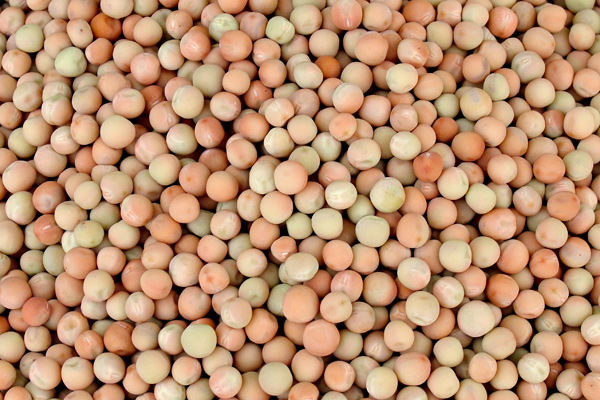
Field pea is a versatile crop grown mainly in the southern and western grains regions of Australia where they are grown for both human consumption, stockfeed and forage. There are four groups of field pea – blue, dun, maple and white – which have different growth requirements, markets and end-uses. Choosing the right variety for the right paddock is central to incorporating field pea into a cropping rotation to improve profitability and productivity.